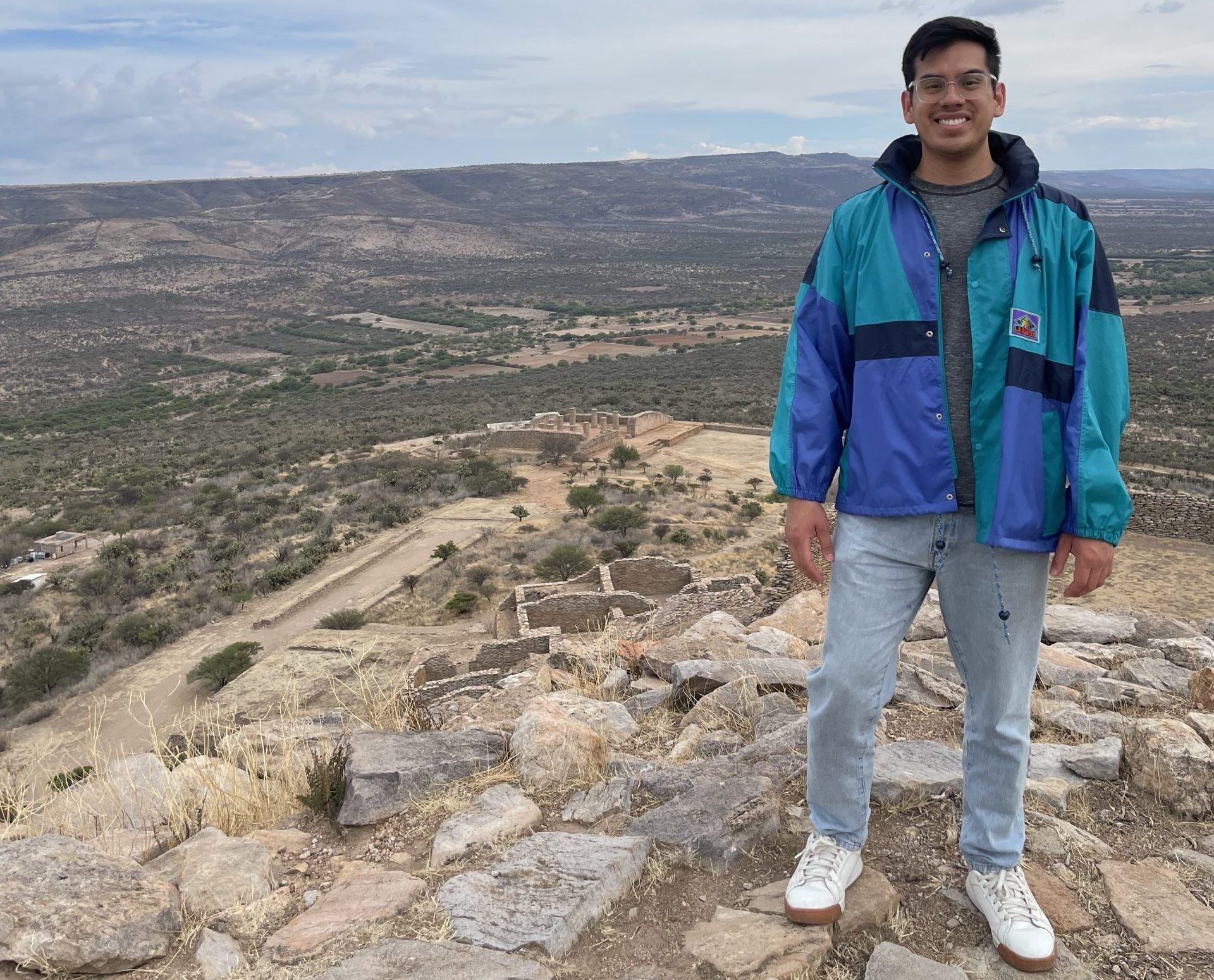
Pedro Antonino Mora
Program Coordinator at Global Nomads
Workplace training often gets written off as a checkbox exercise. But what happens when it actually works, when it changes not just how you think at the office, but how you listen at home? At Global Nomads, we use BraidedWork, a collaborative learning program that brings colleagues together to explore difficult topics through shared research and honest conversation. This is what that looked like for me.
What Changed When I Finally Listened
After a BraidedWork session on sexism and gender bias at work with my Global Nomads colleagues, I decided to reach out to the women in my life and ask whether the kinds of experiences raised in the session had happened to them too.
I was taken aback by what I learned.
My sisters, cousins, and friends each had their own set of experiences. The stories landed hard. We had grown up in the same home, family, and community, moved through many of the same spaces, and yet lived completely different daily realities. What about the youth I work with? How does this topic affect their daily lives and the work they contribute to? For me, that was a turning point. What had once felt like an issue that happened somewhere else suddenly became personal, immediate, and impossible to keep at a distance.
I think that’s the power of the conversations we engage in at Global Nomads. Our approach creates the conditions for people to truly listen, reflect, and change both at the workplace and in their broader lives.
Why This Learning Experience Went Deeper Than a Training
I have worked at many places that claim to care about inclusion, equity, and belonging, but only at Global Nomads have I actually collaborated with my colleagues to tackle those ideas in community.
This process moved me beyond passive awareness, I realized that I had heard about sexism and gender-based harm before, but had not fully listened to what those realities meant for the people around me. The conversation on sexism and gender bias helped me turn abstract awareness into personal and professional understanding.
Through the conversations and collective research around the topic of sexism and gender bias, I began noticing how gender norms and patriarchy manifested in my own life. I began reflecting on family dynamics, everyday privileges, and moments where I caught myself performing or acting in ways that reinforced the very systems I considered myself opposed to.
This kind of reflection was difficult, but also valuable. The BraidedWork approach gave me a structured way to examine my assumptions, learn what I’m missing about the topic, and ask harder questions about my own behavior.
The Conversation Workplace Training Rarely Makes Space For: Masculinity and Me
Before this experience, I had never questioned what masculinity meant to me, how my understanding of it had been shaped by my culture and family, and how I had never been invited to talk openly about it with other people, much less with other men. In this process at Global Nomads, I had one of my first meaningful conversations with another man about sexism, gender bias, and what it means to be a man.
Workplaces often underestimate how powerful it can be to give people permission to talk about identity, power, and lived experience in ways they may never have done before. These conversations can open mental doors and provoke new ways of thinking and working that traditional trainings can’t.
A Learning Format That Actually Works
The process itself was also immensely beneficial. The research was not limited to formal articles or expert sources. It allowed us to engage with podcasts, videos, reports, multilingual materials, and the lived experiences of other colleagues. That liberty made the work more enriching and more relatable.
For participants, that kind of learning environment can be energizing. It allows us to bring more of ourselves into the work while also learning from perspectives we wouldn’t encounter on our own.
Why This Matters for Organizations
Professional experiences like BraidedWork are a concrete expression of organizational values. Organizations like to use buzzwords like “diversity” and “inclusion” in their missions and values, but BraidedWork makes those commitments visible. This kind of experience asks workers to dedicate real time, attention, and care to difficult topics; it puts our workplace values into practice.
My favorite, and probably one of the most beneficial, part of this process is that it prompted conversations that surfaced the full depth of my colleagues’ knowledge. We came in with different lived experiences, different perspectives, and different ways of making meaning. When those differences are invited into the room, they can sharpen ideas, improve learning experiences and products, and lead to solutions one person can’t come up with on their own.
A More Human Way to Learn Together and Create Better Performing Teams
I think what makes BraidedWork so powerful and impactful is that it is not designed to force everyone into the same viewpoint. People may still leave with different opinions and different perspectives. However, they, myself included, leave having learned from one another, with a broader understanding of the issue and a stronger sense of how their own experience fits into a larger picture and our work as an organization.
If organizations want employees to think more deeply, collaborate more honestly, and connect values to daily practice, every part of BraidedWork is worth making space for: the collaborative experience, engaging format, and relevancy to one’s professional work.
And sometimes that starts with something as simple as listening closely enough to realize that the people closest to you have been carrying stories you’ve never fully listened to.