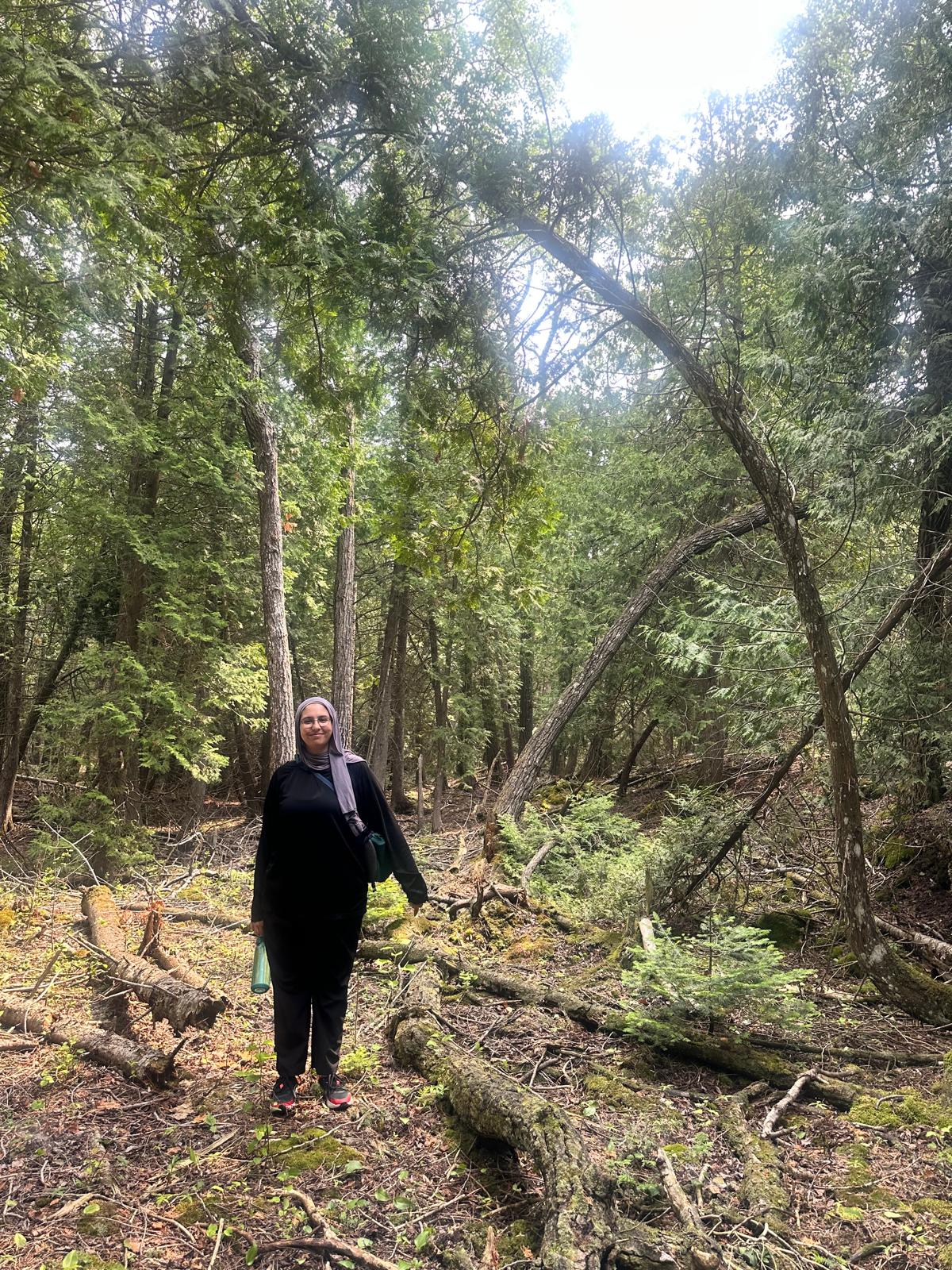
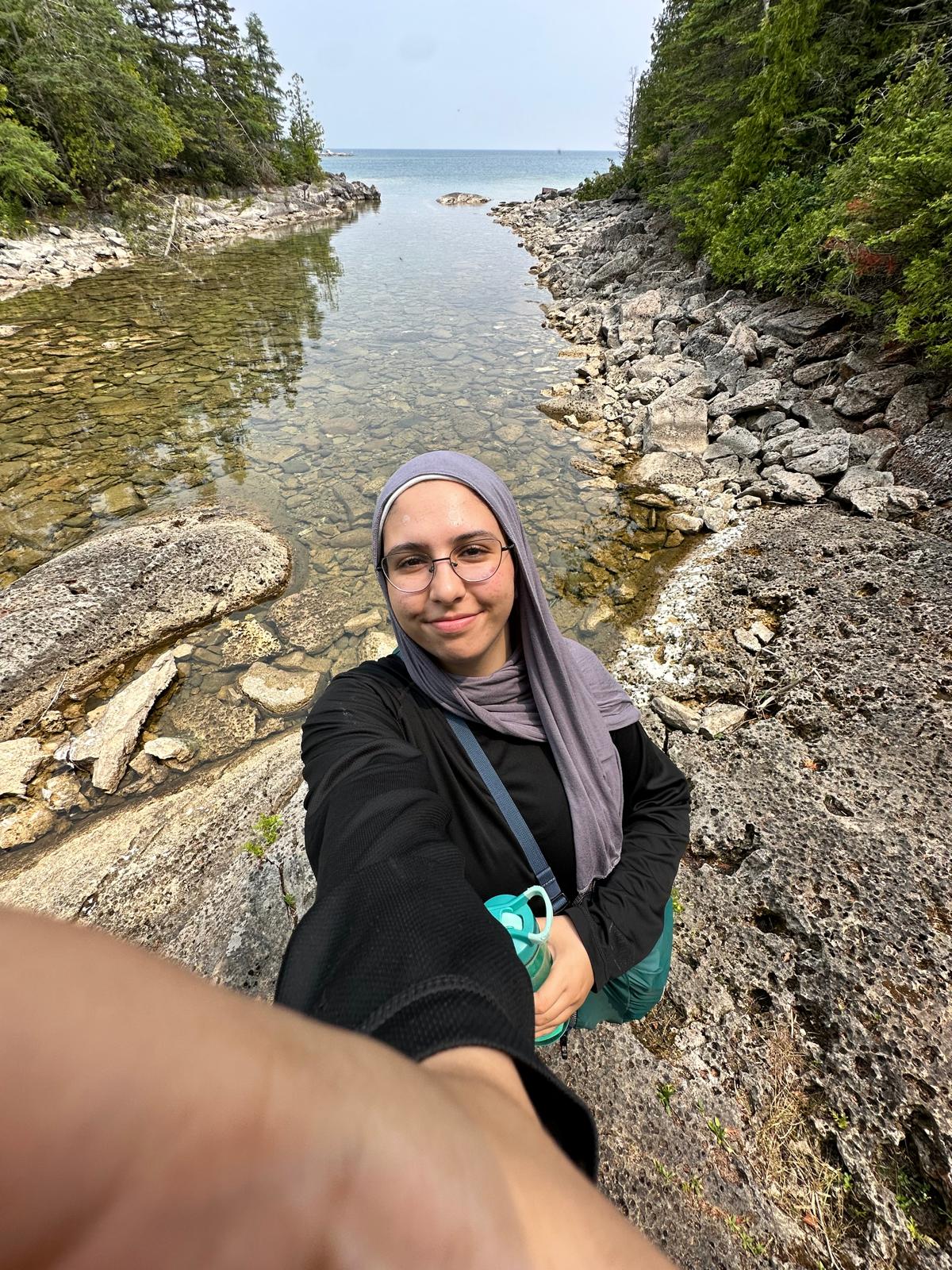
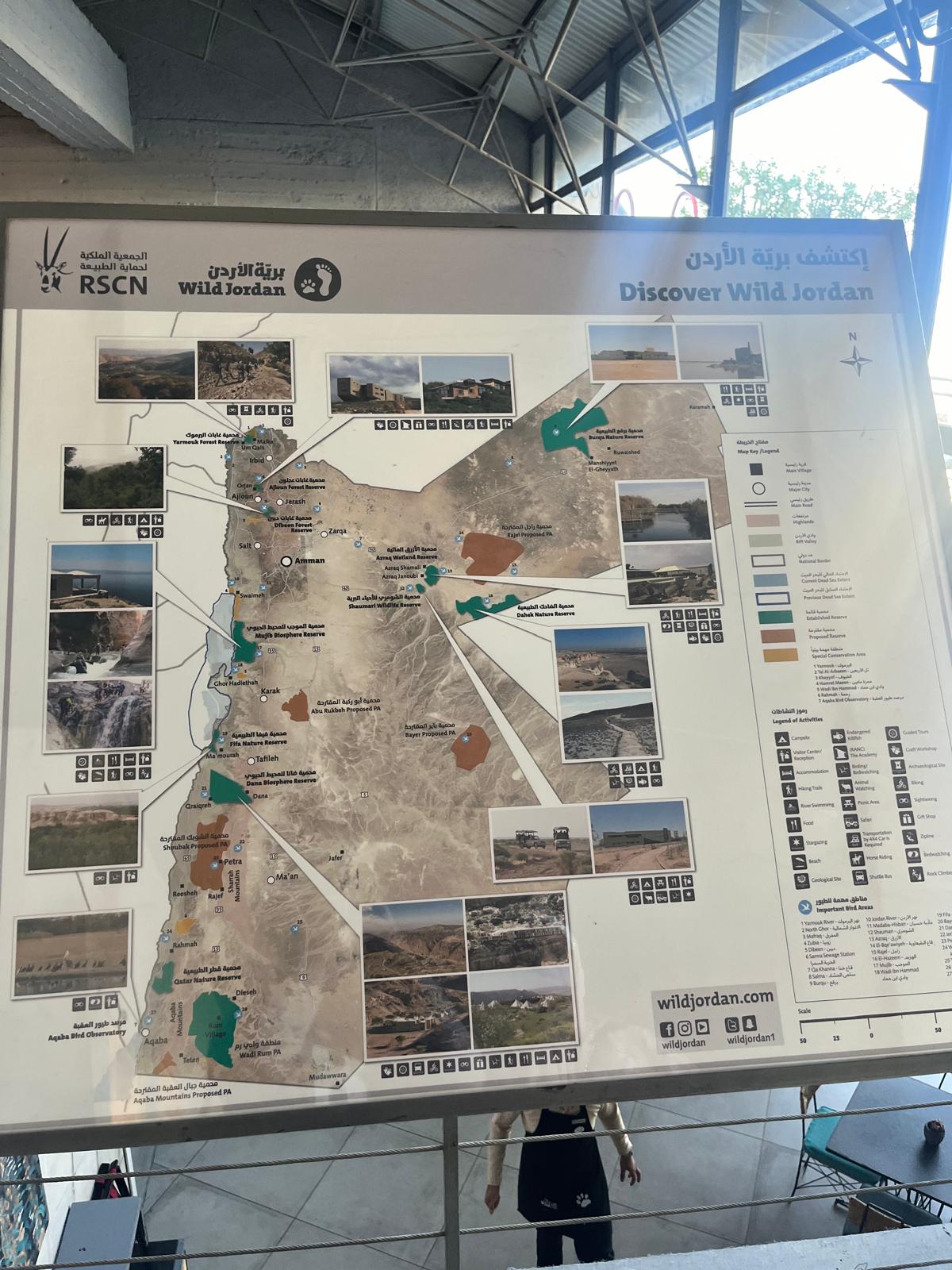
I was born and raised in Jordan for 18 years of my life. I myself come from the Dwairi family — Dwairi means sparrow in Arabic — and I’ve lived part of my life on my grandfather’s land where he had basically a farm of his own. We have deep connections to our land and our earth through the connection of my family and my tribe’s name, but also my grandfather was a geologist who always wanted us to connect to the beauty of the land around us.
I ended up moving to Turtle Island, what’s now known as Canada, for my university degree, which I’m actually graduating in this June. I did an honours specialization in environmental science, bachelor of science, as well as a certificate in climate change and society. I’m heading next to my master’s in environmental studies. In my university I was part of a bunch of groups, including as co-leader for the Western Sustainable Leaders Program. I was an organizer with the Climate Crisis Coalition. I’ve done a lot of community engagement work around climate change. I’ve also done my undergraduate thesis on the effect of conflict and climate on agricultural resilience in the Gaza Strip — so this is kind of the work that I’ve been doing for a very long time. I’ve been very fortunate to work with Global Nomads, which has really opened me to a global network of youth.
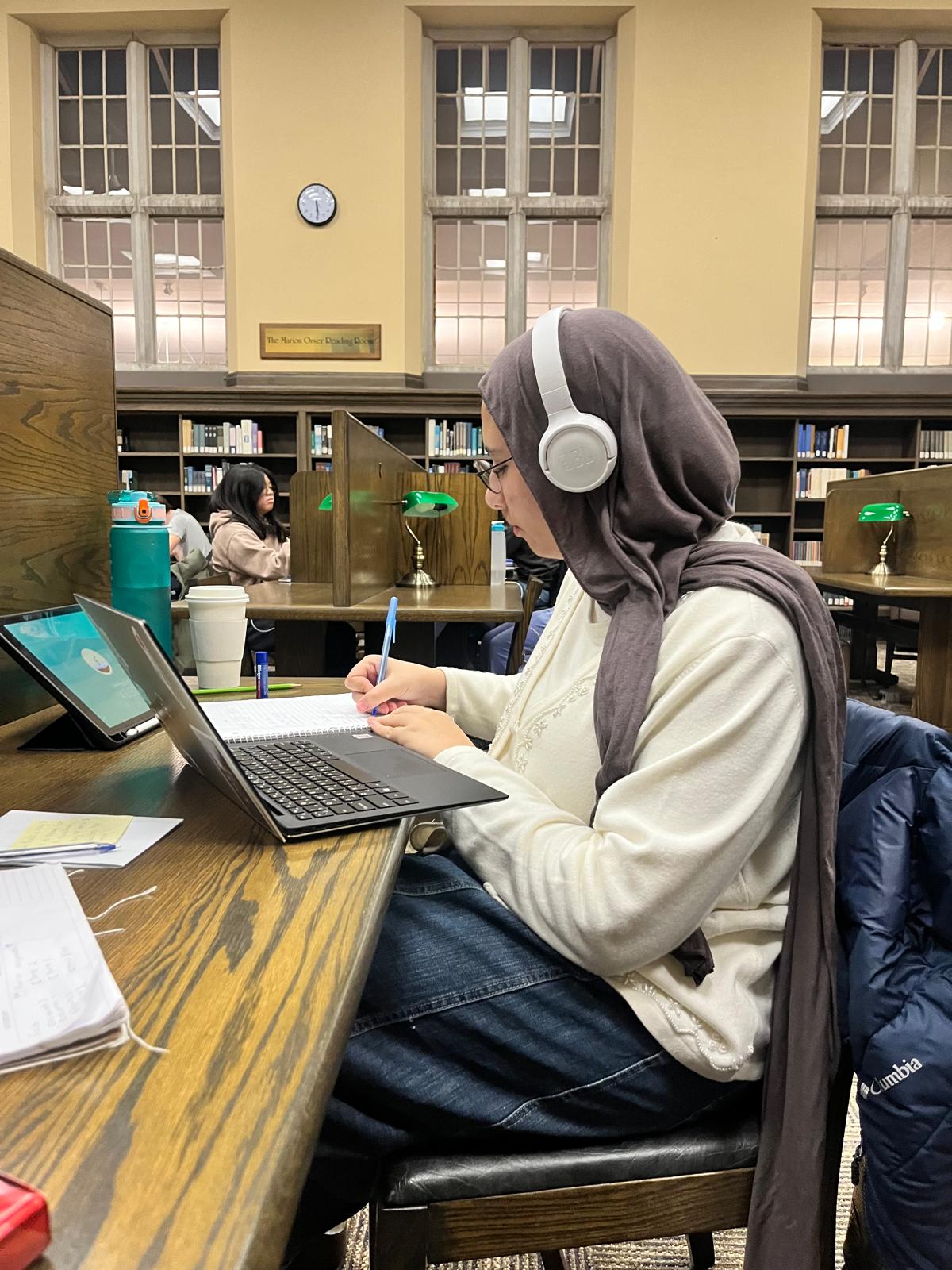
What was the moment you realized climate change wasn’t just a global issue, but your issue?
I remember growing up watching National Geographic documentaries talking about the effects of climate change, and then when I started looking around me I saw how drought is a very huge problem in Jordan. We get times of prolonged droughts where our community would have to go out and do prayer asking God for rain as our crops dry out. So that was one of the points where I thought it was normal, but then the more I learned I realized that this is just an intensification of climate change.
Another thing was on the drive from Amman, where I lived with my family, to Idabit, where my grandfather’s house is. There were beautiful mountains filled with trees and greens and I loved watching them when we drove there, and I saw that the trees that were lining this drive to my grandfather’s farm were disappearing year by year. It just left mountains that were once full of green now barren.
Another thing I remember is the snow. It used to snow in Jordan every year, every other year, but now it’s less and less a thing — my younger sister has never really seen snow in Jordan. So that is one of the things that you start seeing in your daily life. The heat is way more devastating, especially when you look in Jordan where not everyone has access to air conditioning and it is very much a privilege. You could see the effects of that on people, and if you listen to the land you can hear the story of what it’s trying to say.
So then I realized it wasn’t just abstract. It wasn’t just that one polar bear that had its house, the glaciers it lived on, melting. It was happening in the places that I loved and to the people that I loved. I kept asking myself why aren’t people part of change? I remember asking my mom, like, why aren’t people changing? Everything is so awful. And then I made a promise to myself that I needed to be that person from that moment on.
Before participating in CCL, what did you think “environmental advocacy” looked like — and how has that changed?
Before CCL I really felt like I had to create change entirely on my own. There was this pressure to consistently reinvent the wheel as if I was the only one carrying that burden. It was very lonely. It felt like I’m a very small person in a very big world.
But being part of this program it really showed me that I didn’t have to do that. I didn’t have to do all of this on my own. I learned that there are so many youths all over the world who are doing such incredible work and are also working tirelessly to make the world a better place. I got to learn from them and what they’ve built and it made my work way more effective. It also made me feel less alone, so it really put so much energy back into the work I did.
It also really shifted my thinking from individual actions — like a recycling program in the community, although that is very important — it helped me understand broader systemic changes that were important to create real impact, because you get to see the global effects of climate change. It just really helped me discover that there’s a massive global network of youth that are working every day for a better world. Especially with the stream of bad news, it makes it feel like no one else was doing anything. But CCL really reminded me that together we are so much stronger, and that there are so many people who are doing such incredible work.
How would you describe the urgency of climate change to youths like you?
I think honestly, with the communication work that I do, I find that youth are increasingly more aware of climate change, unlike maybe older generations, because they are living through the effects of it firsthand. I find the problem is not just the feeling, the awareness, and the urgency of climate change. I feel like the issue is actually many losing hope — and when you lose hope you understand the urgency of something but you say, well, it’s burning down anyways, what can I do about it? I think that’s a scarier part, and I understand why, because I’ve been there.
As I was getting my training in environmental science, it meant really sitting and learning about historical data and looking at the trends, and honestly it’s really devastating at times — seeing it in numbers and in years. So I’ve definitely been there. But just add to that doom scrolling, feeling politically powerless, also the sheer scale of the problem — all these things really accumulate. There’s also so much bad news all the time, it feels out of your hand.
But I’d like to remind myself and others that we cannot afford to feel defeated. The urgency here is in figuring out how and what each of us should be doing. I personally pursued environmental science because it’s my passion. I love science, I love learning about animals and plants, but that’s not everyone’s path and that’s important to remember. For example, some of my friends are journalists — they write powerful pieces and writing is their gift. Others have completely different gifts, like I have artists as friends who do that work. So I look about, I think about looking inwards and asking yourself how can I use my gifts to change the world. We don’t need everyone to fit a certain mold to advocate for a better future, and I think that’s something very important to learn. Maybe you are not very comfortable going to protests — that’s not your space — but you’re very good at talking to little kids, or for example doing awareness campaigns with little kids and showing them how to plant a tree. So it really depends on your gift.
I also remember I was very very privileged to interact and work with Dr. Robin Wall Kimmerer, and she had a presentation at my university. For those who don’t know, Dr. Robin Wall Kimmerer wrote this beautiful book called Braiding Sweetgrass, which I recommend everyone to read. Something that really stuck with me was she said that the youth told her that it feels like we’re standing on the edge — like we are really on the edge of this issue. It’s terrifying. And then she helped us reframe it by saying: because we are on the edge, every action truly matters. When you’re on the tipping scale, every small action really can create change, and our power to change things is actually much greater than ever before.
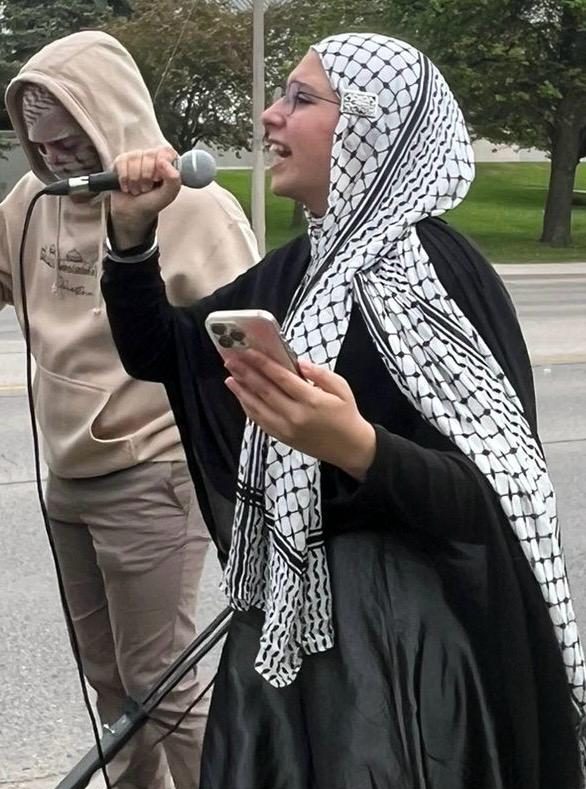
If you could send a message to your past self before this journey, what would it be?
To my past self I’d say: you’re not alone. You’ll meet so many incredible, amazing people on this journey, all fighting alongside you. You’ll create lifelong memories and beautiful connections that will be worth so much. So you’re not alone.
I would also tell myself to be more observant of the nature around me and the people around me, because both always have something to tell you. Learning is a lifelong thing and I think we should open our ears more to the people around us, and again to the environment around us — you’ll always find new things that you’ll learn from. Knowledge is the key to all change and I feel like sometimes this kind of knowledge is overlooked.
And lastly I’d say: be confident in your gift, and know that you belong exactly where you are. That’s a really good reminder for folks who feel like maybe this is not where I’m supposed to be. But the beauty of the diversity of us as humans is we all fit in the beautiful spaces that we can take up and create a better world.
I would always say also: don’t burn yourself out. Lean on others. Learn from others. You don’t have to reinvent the wheel. And if I can write this on every wall I walk, I would say: you must not despair, ever. You must not despair. In times where things are very very hard, hope is a very radical action that you need to nurture and carry with you and share it with others.
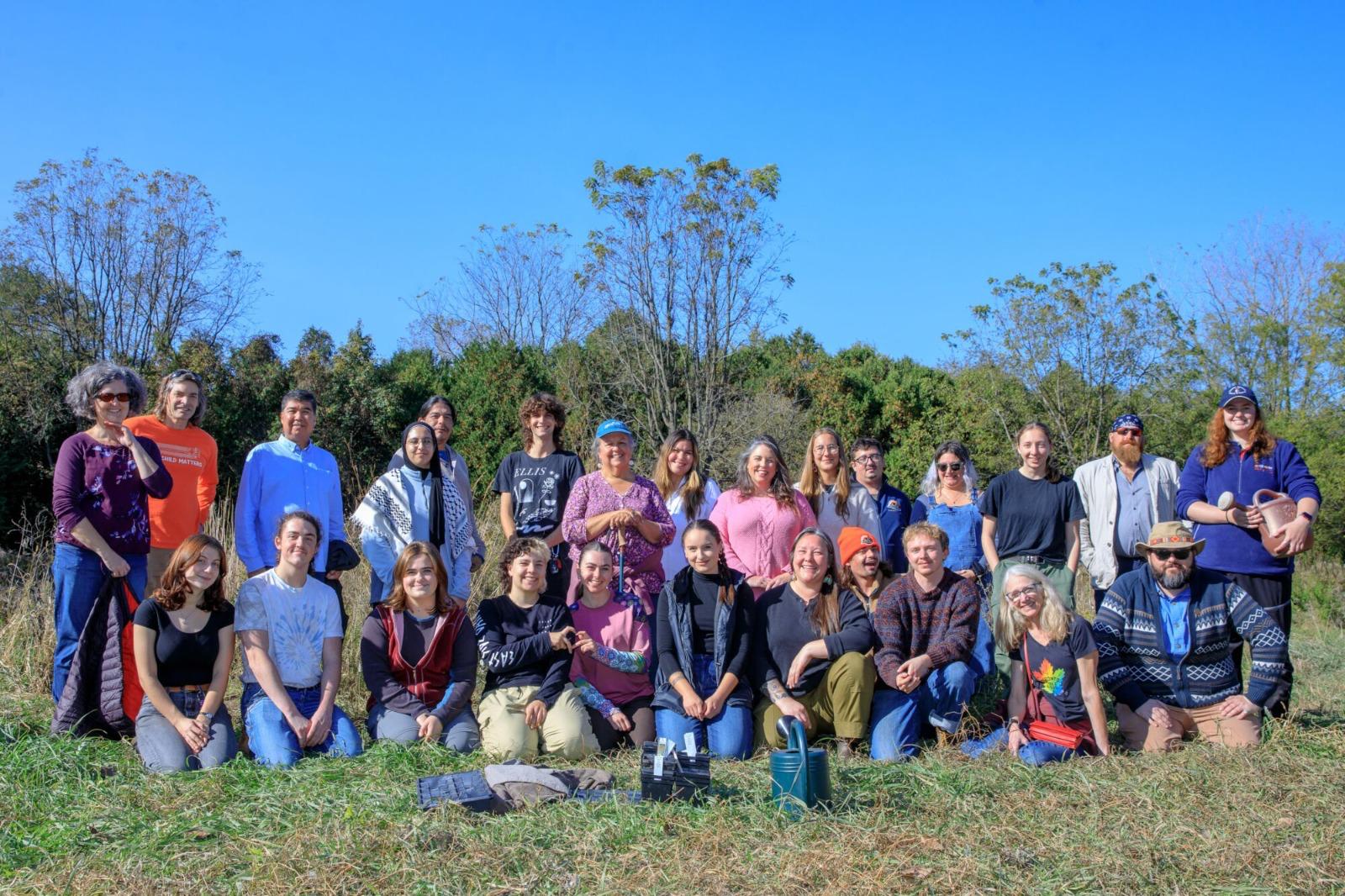
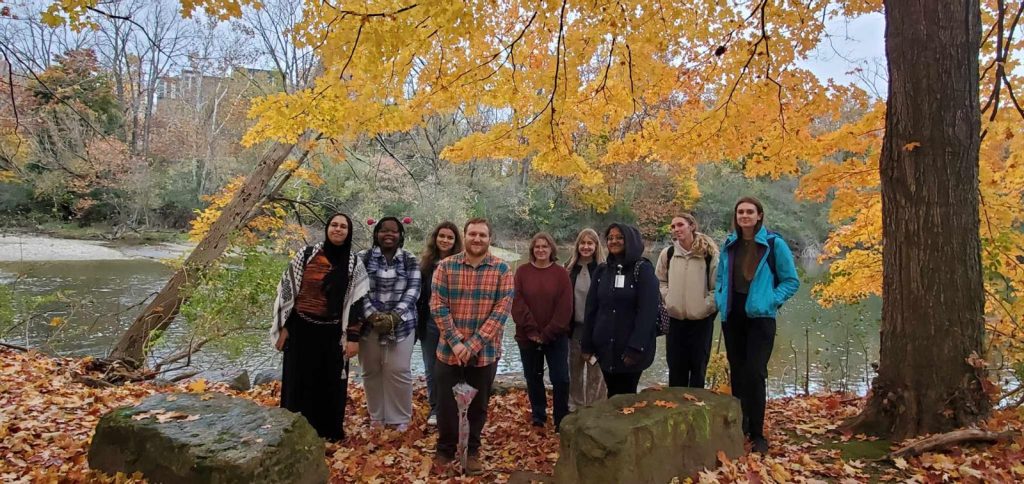
What does a more climate-conscious generation look like to you?
For me I would hope for us to be more conscious of our consumer habits and the systems around us. Again, I feel like we are conscious that there is a problem, we’re conscious that the climate is changing and we see the effects of it, but it’s important to start building these connections with what do we buy and the systems around us — how are they destroying the planet and harming people. So for example, before buying something, we have to ask: did anyone have to suffer for this to reach me?
But it’s also important to understand that this individual consciousness isn’t enough. We need systemic and political engagement. It’s so so so so important to vote and hold leaders accountable and demand broader change, and not just in your personal lifestyle. I’ve seen so many people who are very conscious of a lot of issues around the world including climate change, but then when it came time for voting and engaging in any political action there was such low turnout, and it really, you know, puts you back. So that’s why you must always fight despair, because despair might prevent you from even trying to do that change.
It’s like my mom always says: if you don’t try, you will lose a hundred percent, but if you try, there’s a chance that you might get exactly what you want.
Another thing I’d say is we need to learn from those who came before us — our elders, our indigenous knowledge keepers in different communities, and communities who have lived in relationship with the land for generations. Especially as a lot of us don’t have that direct connection with the land, especially with the intensification of the internet and the usage of that, it is so important to hear from those before us. And again, even the land is our biggest teacher.
I remember my grandfather used to make me — he made sure me and my cousins would play with soil and sand. He always said that that would be important to create our connection to the land, and he was right. Even though I remember our parents would say like, oh, that would make them dirty, he was really really stuck on that. It was true that, actually, it was through him putting us in that sandbox that he created that I found my passion for the environment, and I hope to carry that forward and pass it to the next generation just the same way he passed it on to me. And again, that is something that Dr. Robin Wall Kimmerer’s work really speaks on — that the wisdom already exists, we just need to listen for it.
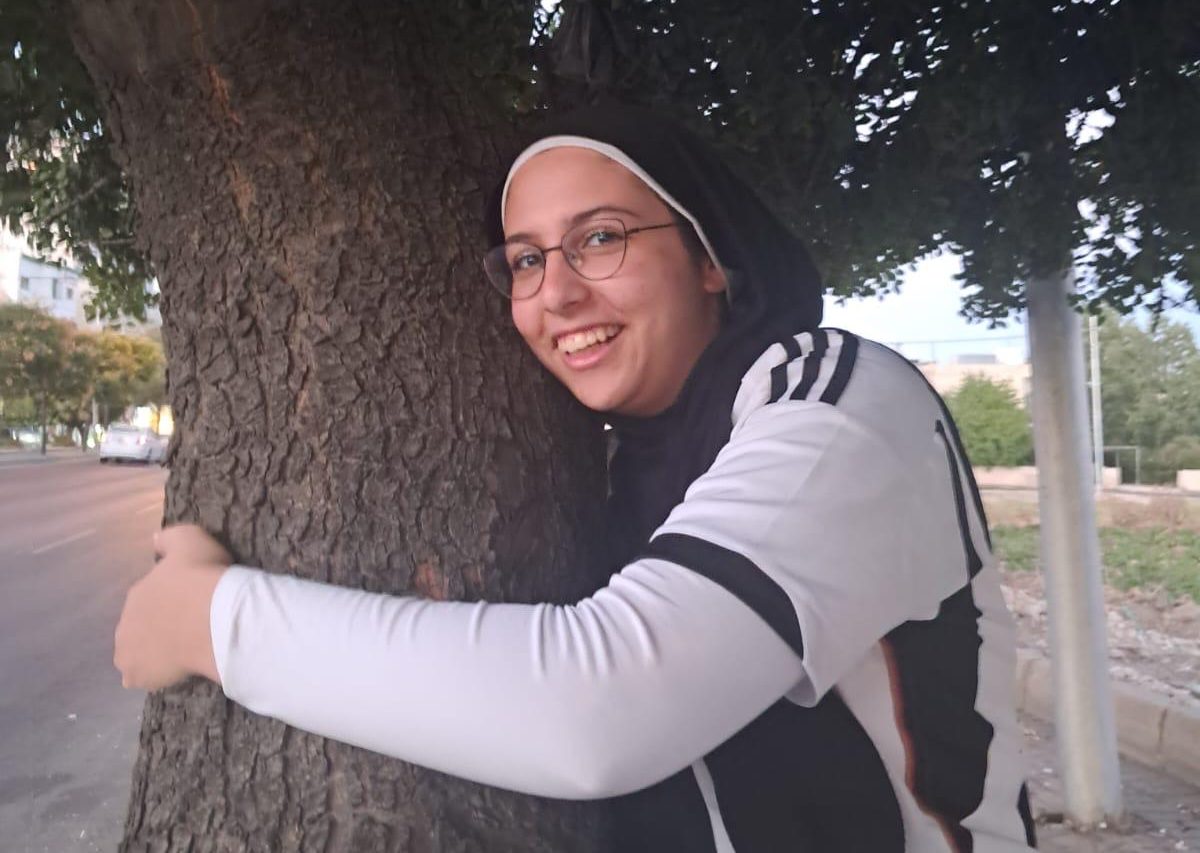
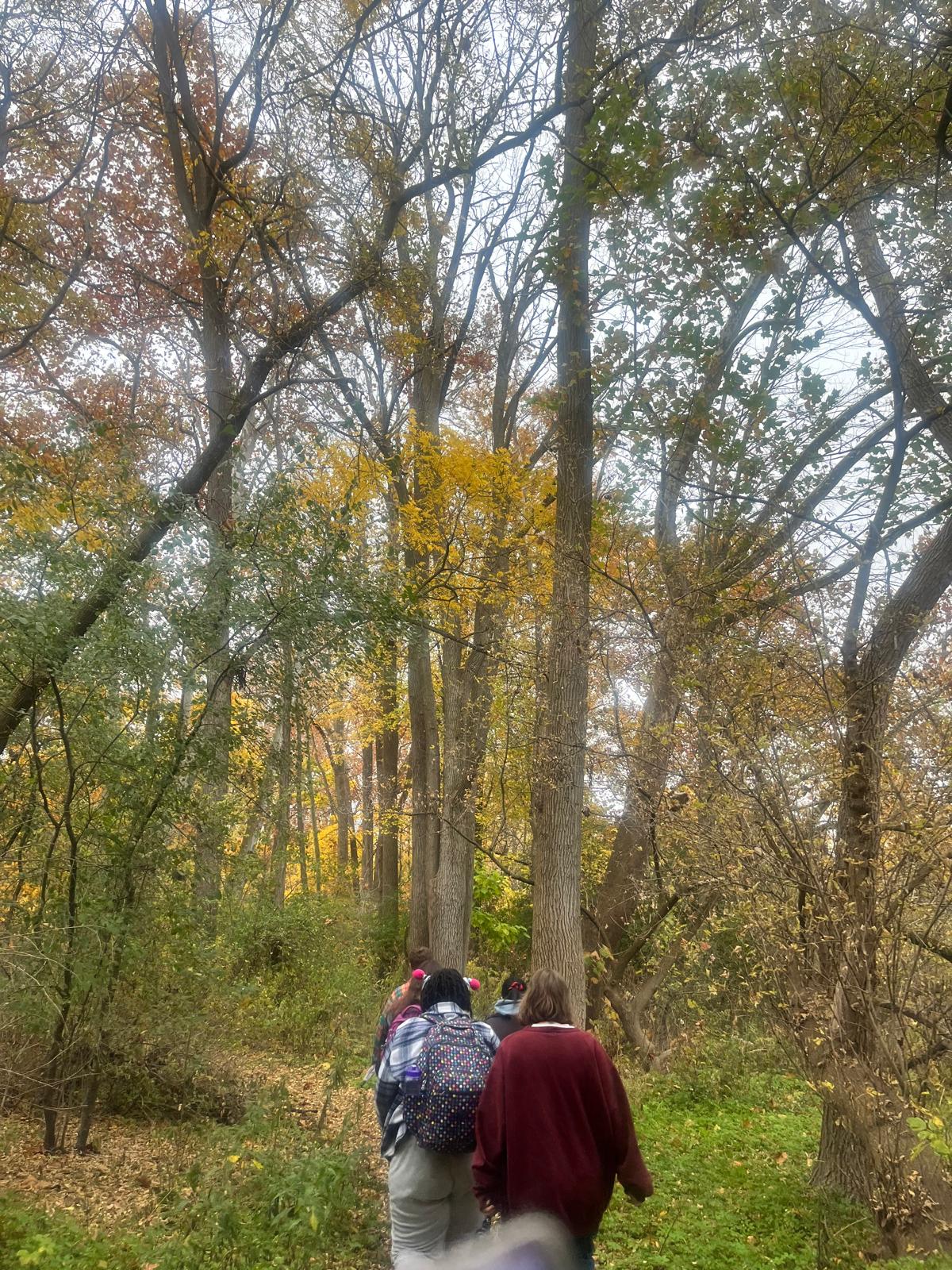
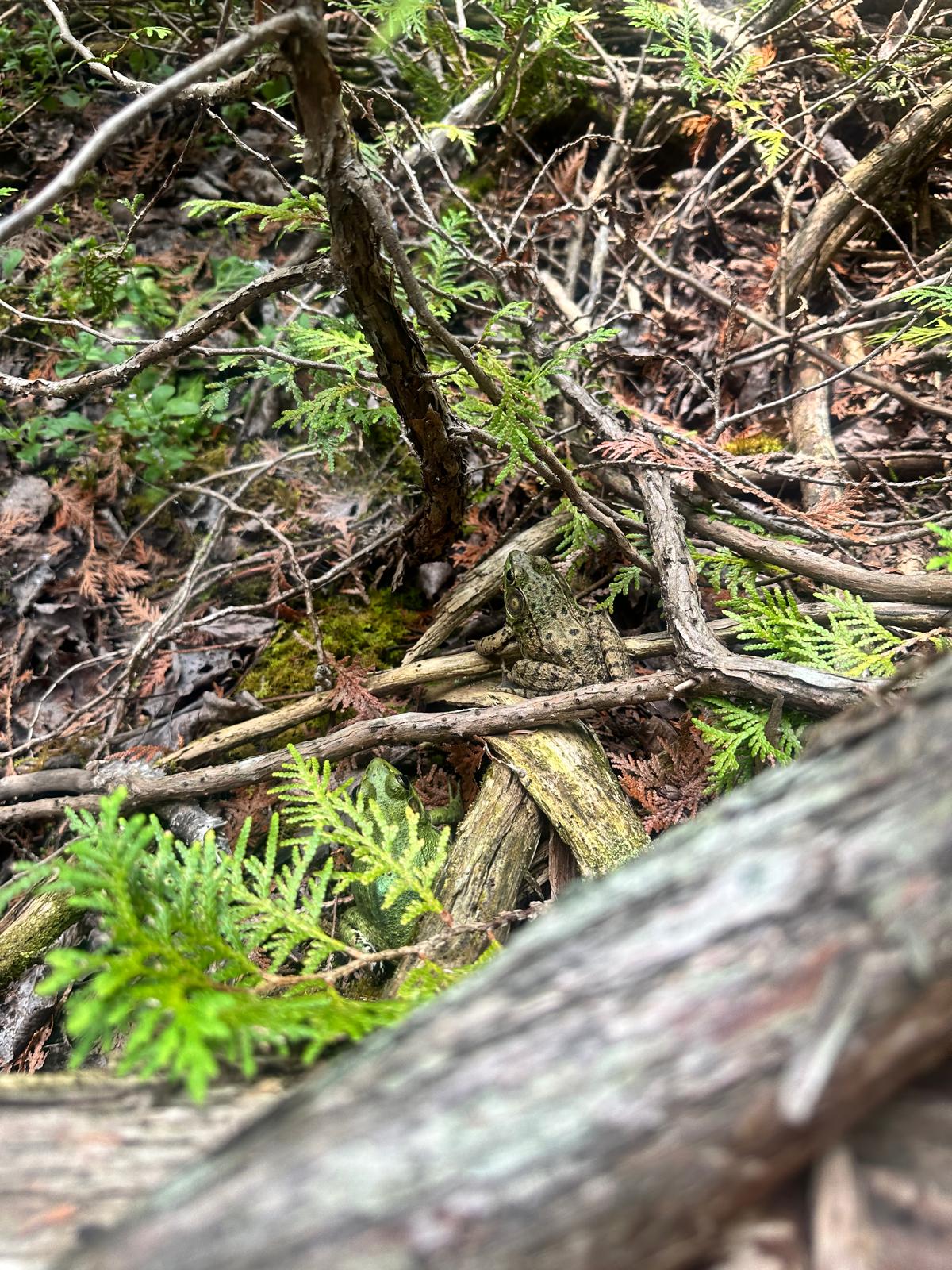
Then I think most importantly, we need to rebuild our personal connection with nature, because it’s very hard to fight for something you feel no connection to. Again, with the increasing — we spend less and less time in nature — that is very important to hold on to. I think the moments I felt the strongest in my work were after time that I spent with my favourite tree or my favourite lake, and thinking about what it would mean to lose it. It was during these times, where I had this strong feeling about this place that I love or my land and the trees that I love there — there is this lovely tree that I always, when I go visit, I always go talk to it and tell it about how I’ve been doing. This tree has seen me walk back and forth from school every single day. It heard me sing all the way back from school. It heard me complain about how hard school was. And if I think about losing that, I have so much more power to change that and protect it.
So I think of it in a way where, let’s say, there is a stranger in trouble — you would absolutely want to help them out. But imagine if that stranger, that person, is your mother or your grandfather. Then you fight with everything you have. I think that relationship is very important, and we need to have people rebuild that relationship with the earth. Because if it’s your mother or your grandmother that is in need of help, you will not despair when you’re fighting for it. You will find a way. Where there is a will, there is a way.
What’s one thing everyone can do this week to take climate action?
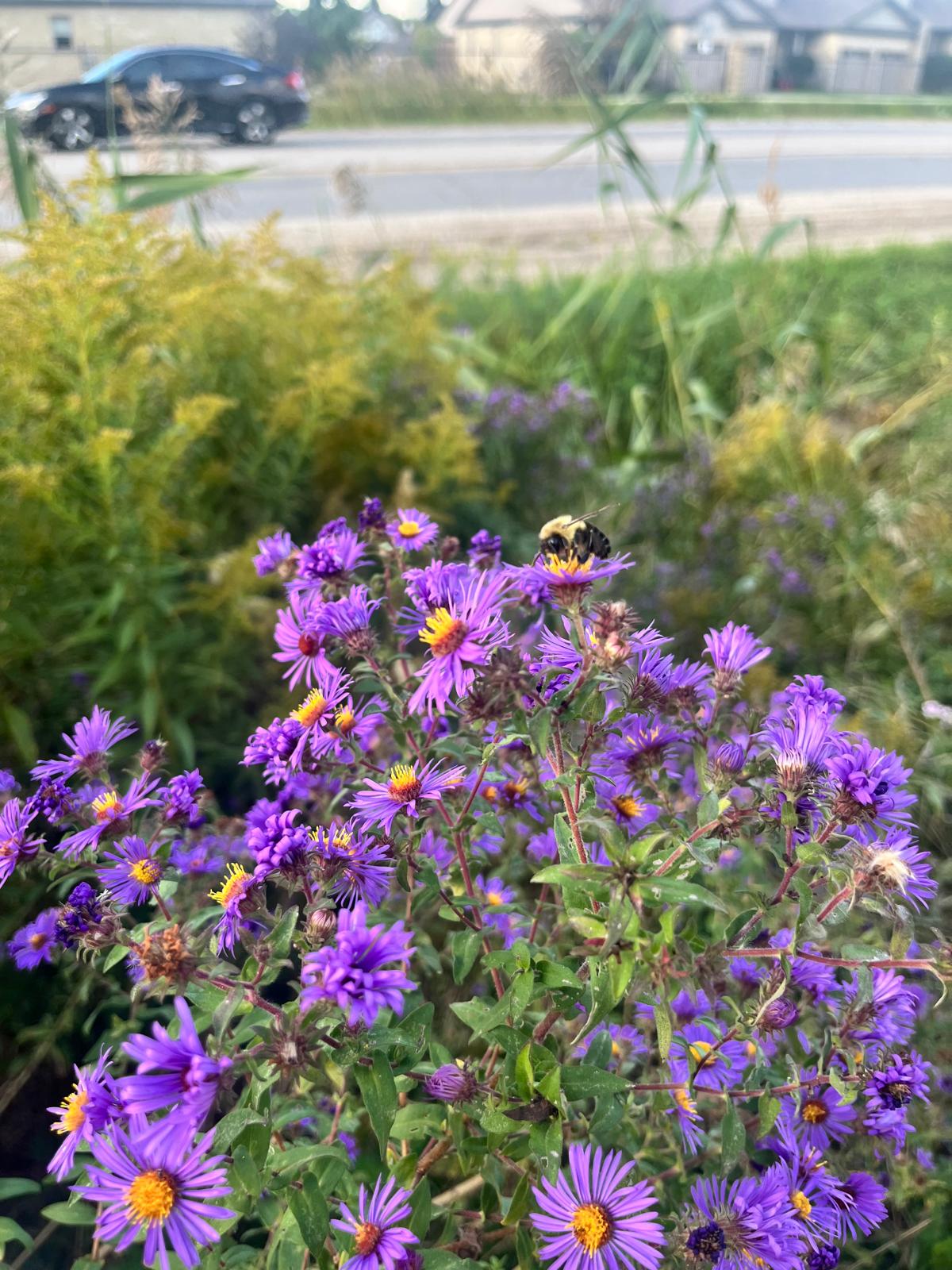
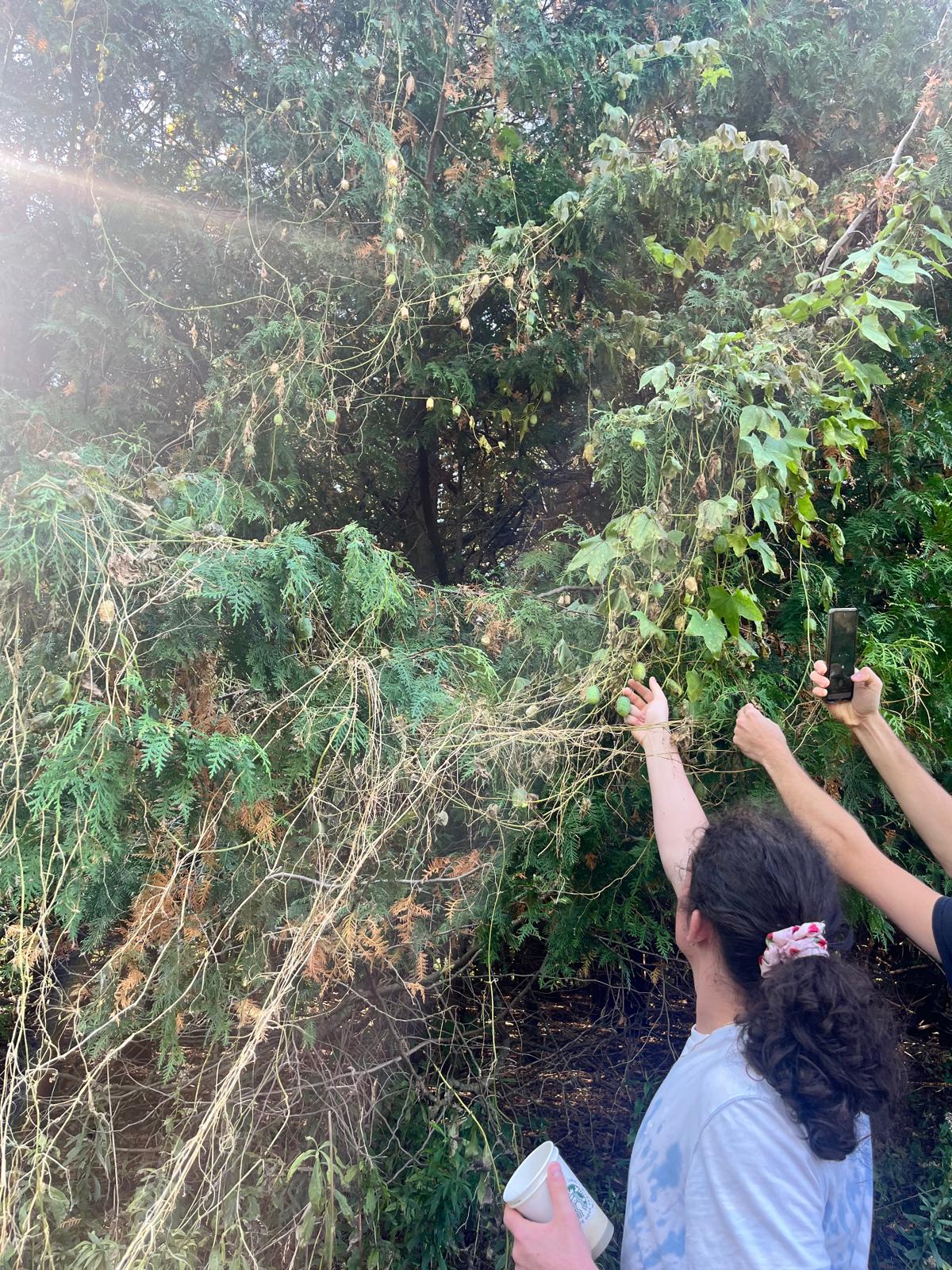
I love this question so much because there are so many things that we can do. I like to start with things that are actually feasible: going outside and building a relationship with the environment around you. I know it does not seem like it will actually create change, but I promise you, I have seen again and again and again that once we create those strong relationships, it elevates our work all the time into the most effective as possible. So when you go around, find your favourite plant, learn its name, remember your memories with it, watch the birds, imagine a world without any, and let that move you. And then after you let that move you, you can look inward at your own gift. If you don’t like to protest or to write, you still have a place in the fight.
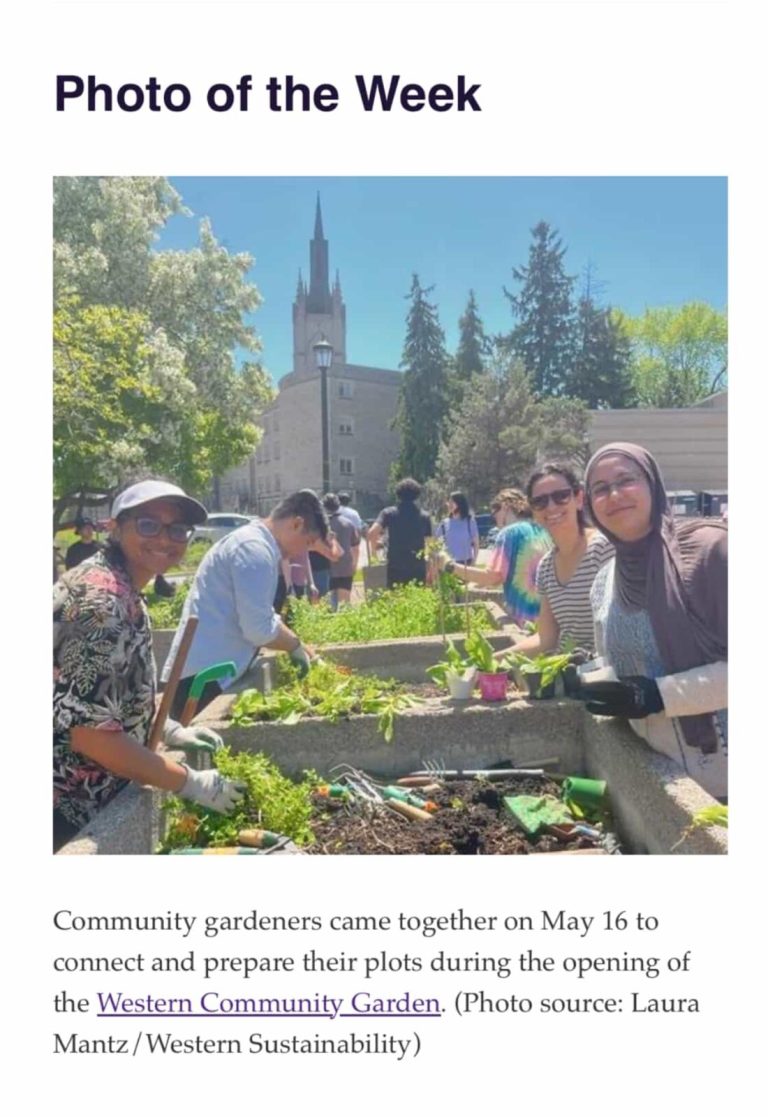
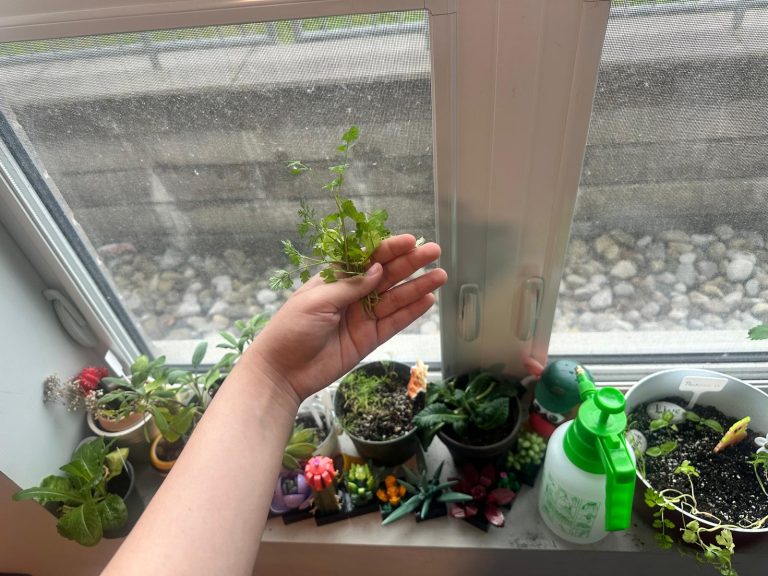
I also like to give a practical tip I found really helped change my perspective on things. Again, change is long term, so even if these things won’t directly — you might not think they create change — I can promise you they do. I would say: start a small herb garden, even if it’s just one pot in your kitchen. Watching something grow really connects you to the living world and makes you more conscious of the waste you create. I think that really helped me. Again, because we are very disconnected — we get our food and vegetables from the supermarket. When you grow your own herbs and you see how long it takes for that little seed that you put in to really grow, you start appreciating it so much more. I found that was the best way, for example, to reduce food waste when trying to teach people. Because I can come and show you the graphs of how much food we waste, but then when you actually work for your food and build a connection with it, it’s a different kind of mindset that you carry with you everywhere.
And I would just say another thing: if you really want to feel that action immediately, just take one step forward with contacting a representative or showing up to a local meeting about climate. There are so many local climate movements, which is a wonderful thing. Because a lot of this work, again, has been done — just search it. Search “climate movement in my area,” find it, join it, because you don’t have to start from scratch. See the work that they do and see where you can fit there. I also believe that CCL is actually a wonderful entry point if you can’t find local groups — just joining other youth who feel the same way always gives you that motivation. And there are actually multiple toolkits online to help you build your own local climate movement if that is something you are interested in. And again, listen to your elders in your community, because you’ll be surprised — you can build tools that you’ll need for a very long fight and help you stay grounded when you listen to the elders.
What would you say to someone who feels like one person can’t make a difference?
I think I would push back a little bit on the framing. I think it’s important to recognize that real change does not exist from the idea of one lone hero, or just that one person will make all the difference. It’s always about joining people as a wave. Every action you take sends a ripple effect towards lifting and amplifying change that comes after you, so you become part of a wave that you amplify. I think that’s the best way you can hold on to it, because one versus everything does not ever work.
I do also like to remind myself, for example, of Rachel Carson, who is a classic example when looking into how all small change creates larger change. She fought corporations and government almost alone to stop the use of DDT, and her work has also unleashed a movement of people who continue that fight. So it’s important to look at examples of people who have done so much change even if they were individuals — but also seeing how the change ripples. So even if you feel like you won’t be the next Rachel Carson, you will be maybe the person in your community who has started a conversation that lasted for generations.
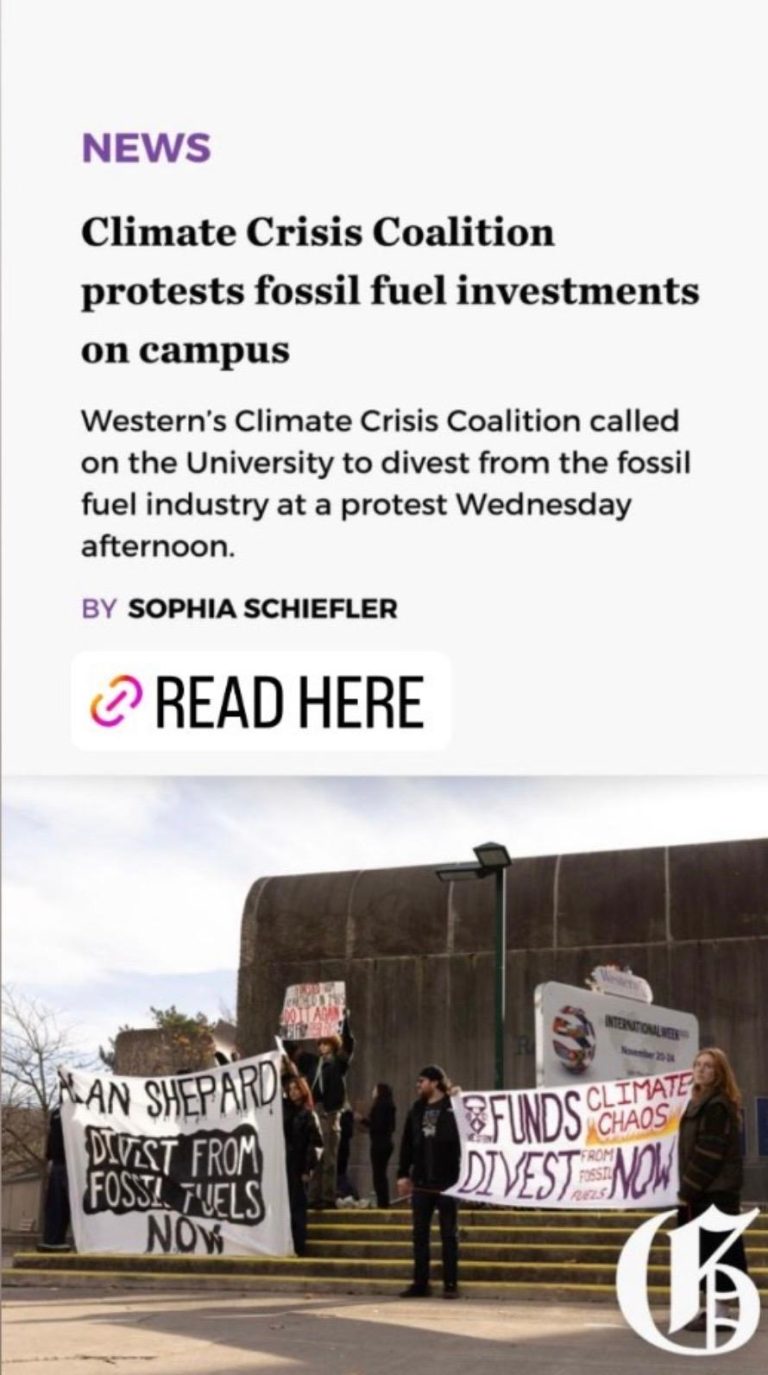
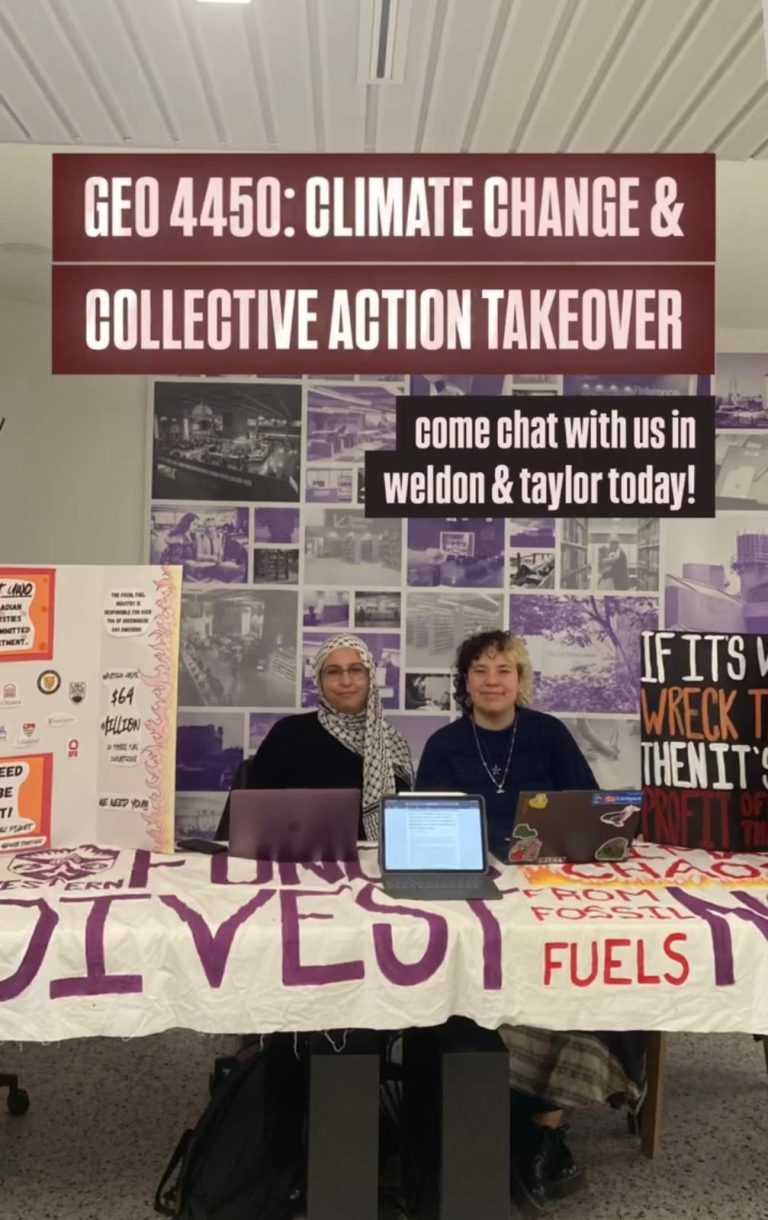
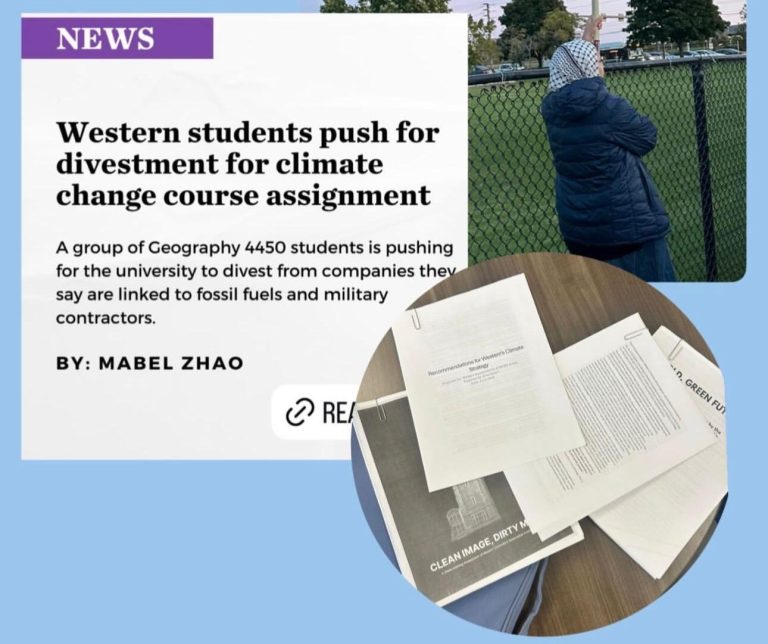
In my own undergraduate years, I’ve been part of research, I’ve joined again the Climate Crisis Coalition pushing my university for fossil fuel divestment, I protested, I’ve served on my city’s advisory committee for environmental change and stewardship. But I don’t see those things as something I created — I see them as actually amplifying the work of those before me, and hopefully amplifying what comes next after me. Again, imagine one drop of water in an ocean versus a bunch of drops in the ocean — together they create waves that can change so much. I just think about the ripple effect we can have on one another.
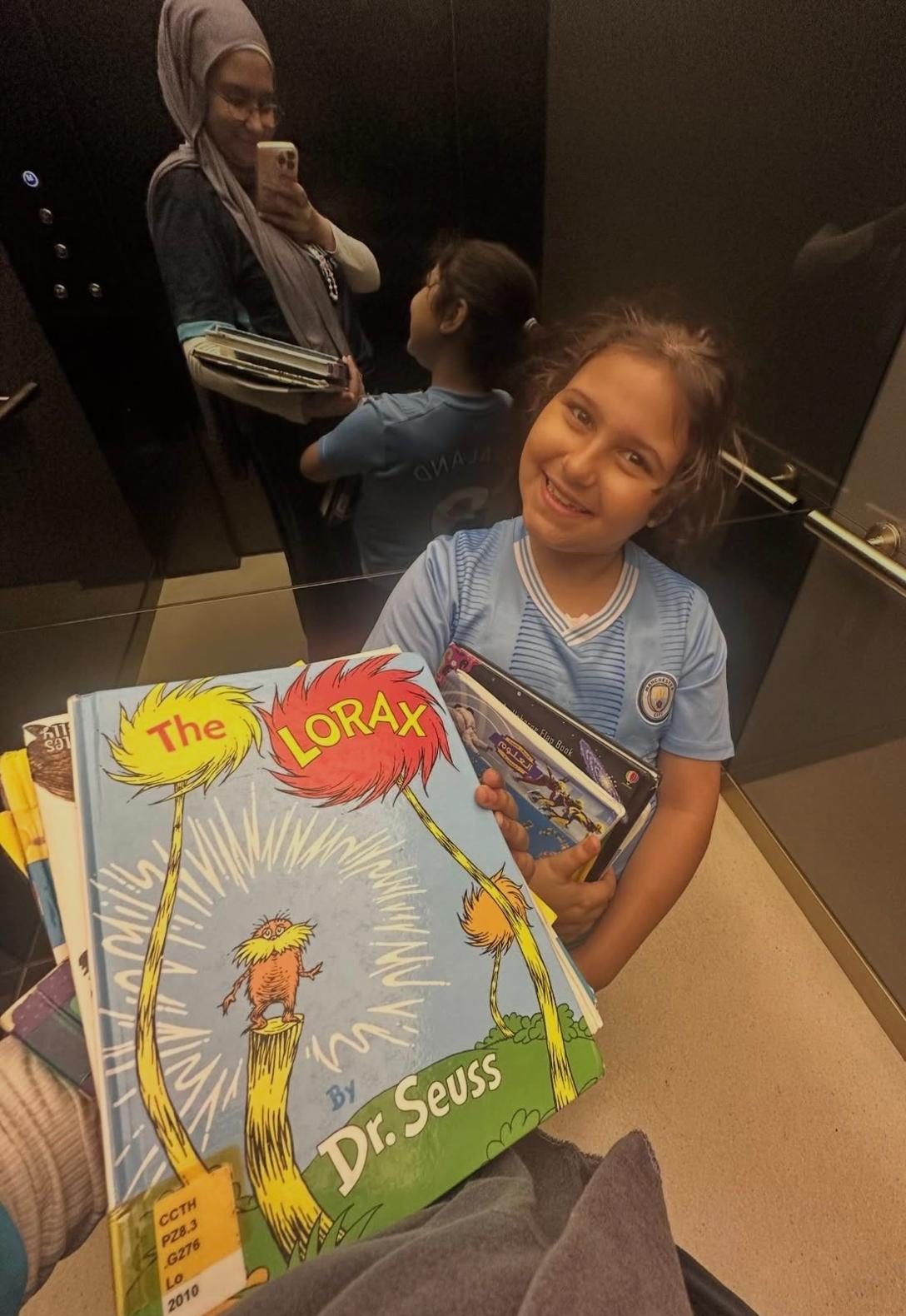
My favourite is when I got to read The Lorax for my younger sister. It really helped build that connection to the earth that she will carry with her her entire life. So even that small act can inspire another lifetime full of work for the planet.
I would also say — and this is very important — that joy is very important in this kind of work. Again, because it’s long, lifelong work of making the world a better place. So when I’m making protest signs with my friends there’s also this laughter, when we’re organizing communities there are all these fun little things we create — it’s not a distraction from the fight, it is fighting to have these things long term.
There is already so much incredible work that you can plug into, which is always so much easier than starting on your own, and your contribution right now carries more weight than ever. I also remind myself that the earth is a wonderful gift and we must fight for it with everything we have. And the goal was never and will never be for one person to save the world. It is always one person joining a wave.
I just end this with a reminder: we must not despair. We must not despair. We must not despair.